

However, we do not operate in isolation. We work proactively and constructively with our Member Clubs and the other football authorities to improve the quality of football, both in England and across the world.
The Premier League is a private company wholly owned by its 20 Member Clubs who make up the League at any one time.
Each individual club is independent, working within the rules of football, as defined by the Premier League, The FA, UEFA and FIFA, as well as being subject to English and European law.
Each of the 20 clubs are a Shareholder in the Premier League. Consultation is at the heart of the Premier League and Shareholder meetings are the ultimate decision-making forum for Premier League policy and are held at regular intervals during the course of the season.
The Premier League AGM takes place at the close of each season, at which time the relegated clubs transfer their shares to the clubs promoted into the Premier League from the Football League Championship.
Clubs have the opportunity to propose new rules or amendments at the Shareholder meeting. Each Member Club is entitled to one vote and all rule changes and major commercial contracts require the support of at least a two-thirds vote, or 14 clubs, to be agreed.
The Premier League Rule Book, contained within the Handbook (Download: Premier League Handbook; PDF 16.2MB), serves as a contract between the League, the Member Clubs and one another, defining the structure and running of the competition.
Any serious breach of the Rule Book results in an independent three-person tribunal sitting to hear the case, ascertain guilt and set the punishment, which can range from fines to points deductions and, in extreme cases, expulsion from the competition (this has never happened in the history of the Premier League).
At the Premier League's AGM in June 2022, an Owners' Charter was agreed by Clubs. The Owners and Directors of the Member Clubs are custodians of those organisations and will uphold the spirit of the Charter's commitments.
Read: Premier League Owners' CharterThe Premier League head office is based in central London. The organisation has a staff of 191 people who deliver across a range of roles including football, coach development, community, youth development, safeguarding, broadcast, commercial, communications, digital, finance, legal, marketing and policy.
The Premier League’s current UK workforce includes 16.2 per cent Black, Asian, minority ethnic representation and we are committed to delivering equality, diversity and inclusion across the organisation. We are currently in the process of achieving the EY National Equality Standard and therefore our activities and polices are independently assessed.
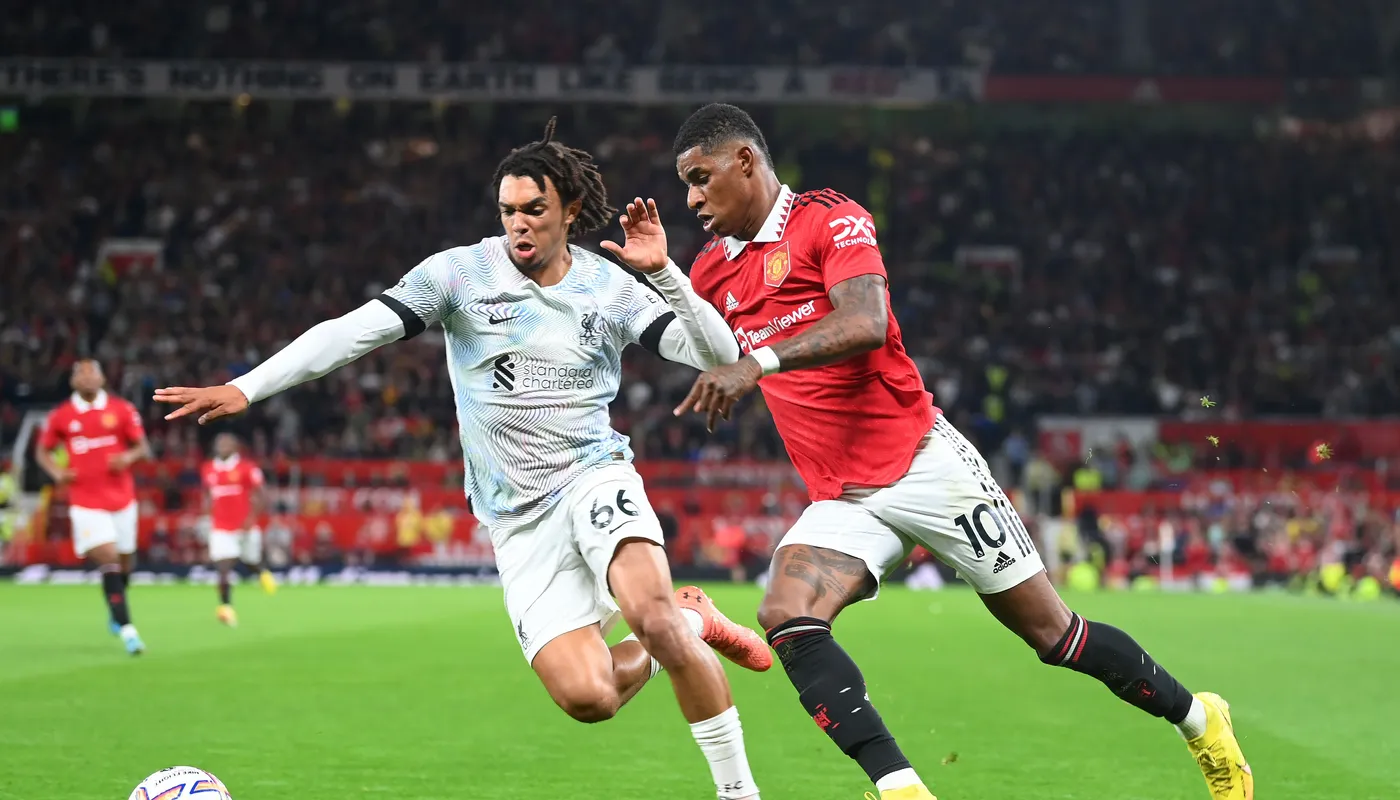
The Premier League is the organising body of the Premier League with responsibility for the competition, its Rule Book and the centralised broadcast and other commercial rights.
We work proactively and constructively with our Member Clubs and the other football authorities to improve the quality of football, both in England and across the world.
Watching fantastic players and exciting matches creates the support that drives the broadcast and the commercial interest that ensures we can re-invest in the game, both domestically and globally.
The principal objective of the Premier League is to stage the most competitive and compelling league with world-class players and, through the equitable distribution of broadcast and commercial revenues, to enable clubs to develop so that European competition is a realistic aim and, once there, they are playing at a level where they can compete effectively.
Many of the most famous clubs in world football play in the Premier League and, thanks to our distribution model, which is the most equitable in top-flight European football, the League is incredibly competitive, unpredictable and exciting.
In recent seasons, the battles for the title, UEFA Champions League places and to avoid relegation have been the tightest and hardest fought on record.
Some of the biggest names in world football play in the Premier League every week: from Harry Kane to Erling Haaland, Mohamed Salah to Martin Odegaard, David De Gea to Virgil van Dijk. The world’s best players come to England to play in a compelling league competition, in front of passionate full houses and matches that are seen all over the world.
The global stars attracted to the Premier League help raise the playing standards of young English talent such as Phil Foden, Bukayo Saka, Jordan Pickford, Trent Alexander-Arnold and Marcus Rashford.
Our clubs are producing excellent players, who take their place alongside the international superstars on merit.
The Premier League is the world’s league. It has become a global phenomenon, inspiring passion and emotion from Los Angeles to Lagos, from Macau to Melbourne.
It has become a league of nations on the pitch, too. In 1992 there were only 11 non-British or Irish footballers in the Premier League. These days there are, on average, about 70 nationalities running on to the pitch in the Premier League.
A strong domestic league has been beneficial in Europe, too. When the Premier League was formed in 1992, England was 13th in the UEFA Association Coefficient table. A decade later it had risen to third, the Premier League behind La Liga and Serie A, who between them were in the middle of a 16-year period at the top of European football.
Since then, the Premier League has been in the top three of the Coefficient standings with strong performances in Europe from established UEFA performers.
Central to the continued progress of the Premier League, and the wider English game, is the Elite Player Performance Plan (EPPP), which was produced by the Premier League after consulting representatives of the Football League and The FA.
The EPPP is a long-term plan that promotes the development of a world-leading Academy system, with the aim of producing more, and better, Home Grown Players.
The Premier League and its Clubs are committed to generating domestic talent, with more than 95 per cent of young players in training being British.
It will be this talent, developed through the EPPP, which will see some of the best prepared world-class players taking part in what will be most competitive and compelling league in football.

The Premier League is a private company limited by shares. Its shareholders are the 20 Member Clubs at any given time, and The FA, which holds a special share.
Each individual club is independent, working within the rules of football, as defined by the Premier League, The FA, UEFA and FIFA, as well as being subject to English and European law.
Each Premier League club holds a single share, giving them an equal vote on all matters and a right to the distribution of broadcast and commercial revenues. The FA’s special share means that certain actions can only be taken with its approval, such as the appointment and re-appointment of and Board Directors.
Shareholder meetings are the ultimate decision-making forum for Premier League policy and are held at regular intervals during the course of the season. The Premier League AGM takes place after the close of each season, at which time the relegated clubs transfer their shares to the clubs promoted into the Premier League from the English Football League Championship.
Clubs have the opportunity to propose new rules or amendments at Shareholder meetings. Each Member Club is entitled to one vote and all rule changes and major broadcast and commercial proposals require the approval of at least two-thirds vote, or 14 clubs.
The Premier League Rule Book, contained within the Handbook (Download: Premier League Handbook; PDF 16.2MB), serves as a contract between the League, the Member Clubs and includes:
- Expected levels of conduct by clubs and their officials and processes by which any misconduct will be adjudicated and sanctioned.
- The terms on which the competition is organised.
- The formula under which central funds are distributed to clubs (and relegated clubs).
- Minimum standards of governance and operation in a wide range of areas, from safeguarding and supporter relations to broadcaster access, stadium infrastructure and club Academies.
Where a club or individual bound by the rules fails to comply with them, there are a range of disciplinary options available to the Board. These include the power to issue fines of up to £100,000, the power to agree sanctions and, where appropriate, to refer the breach to a commission. In 2019, the League moved to an entirely independent Judicial Panel, appointed by an independent Chair (Murray Rosen KC). It is from this Judicial Panel that the Chair selects individuals with relevant experience and expertise to sit on commissions. Where a commission is appointed, it has extremely wide sanctioning powers, including the power to impose significant fines and sporting sanctions.
At the Premier League's AGM in June 2022, an Owners' Charter was agreed by Clubs. The Owners and Directors of the Member Clubs are custodians of those organisations and will uphold the spirit of the Charter's commitments.
Read: Premier League Owners' CharterAt the Premier League, the following values influence the way we think, communicate and behave with each other and the world around us:
Ambitious: Playing the world’s most competitive and compelling football. Striving for excellence in everything we do. Thinking big; not setting any unnecessary limits or barriers.
Inspiring: Sharing everyone’s excitement and passion for the game. Creating experiences that excite people and invigorate lives. Remembering that we are fans too.
Connected: Being for everybody, everywhere. Being easy and open to work with. Listening as well as talking
Fair: Being objective, responsible and trustworthy. Safeguarding the integrity of the game. Thinking of tomorrow when making decisions for today
We use these values to determine what we do and say and they underpin our purpose: to support our clubs in putting on the best possible football and to inspire fans, communities and partners alike to invigorate lives across the globe.
This Statement of Principles outlines the standards and behaviours required to conduct our business ethically and to comply with the law. Everyone who works for or on behalf of the Premier League ("Premier League Personnel") is expected to uphold these high standards.
We expect all Premier League Personnel to conduct themselves with integrity and in a manner that reflects positively on the image of the Premier League and football in general. We expect all Premier League Personnel to be reliable, professional, honest and trustworthy both in dealings with each other and third parties. This guiding principle informs the others that follow, and encompasses all aspects of our activities.
We expect all Premier League Personnel to comply with all applicable laws, professional codes and regulations including but not limited to the Premier League Rules, together with the rules, regulations and constitution of the F.A., and FIFA.
We are fully committed to providing a positive working environment that offers equal treatment and equal opportunities for all employees and where everyone is treated with respect. All Premier League activities must be performed in a professional manner, free of any form of discrimination or harassment.
Any inappropriate conduct toward others, including but not limited to that based on an individual’s sex, race, colour, weight, size, religion, national origin, age, marital or domestic-partnership status, disability, sexual orientation, or gender identity or expression, will not be tolerated.
Further information for Premier League Personnel is available in our Equal Opportunities Policy.
he Premier League places great importance on safeguarding and believes that everyone has the right to enjoy football and participate in our activities in safe and inclusive environments. We aim to adopt the highest safeguarding standards and expect everyone involved with the Premier League to share this commitment, irrespective of individual roles and responsibilities, as we all have a role to play in promoting and protecting the rights, safety and wellbeing of children and adults at risk.
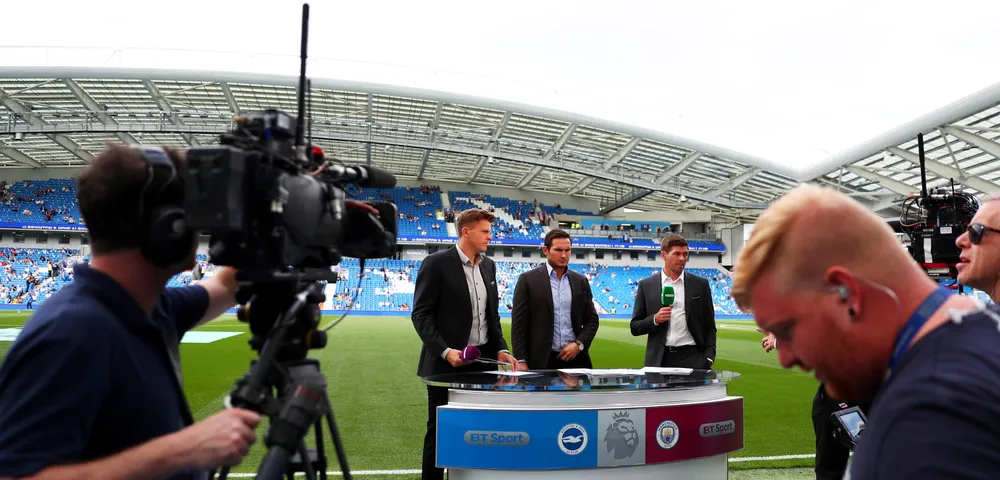
Advice for fans on how to report websites showing Premier League matches illegally or suppliers of illicit streaming devices.
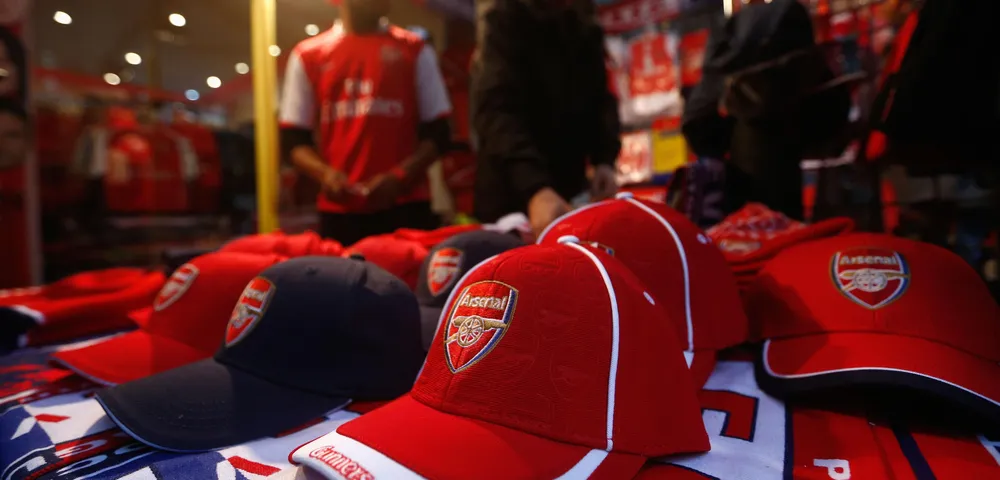
Advice for fans on avoiding & reporting counterfeit Premier League goods & merchandise
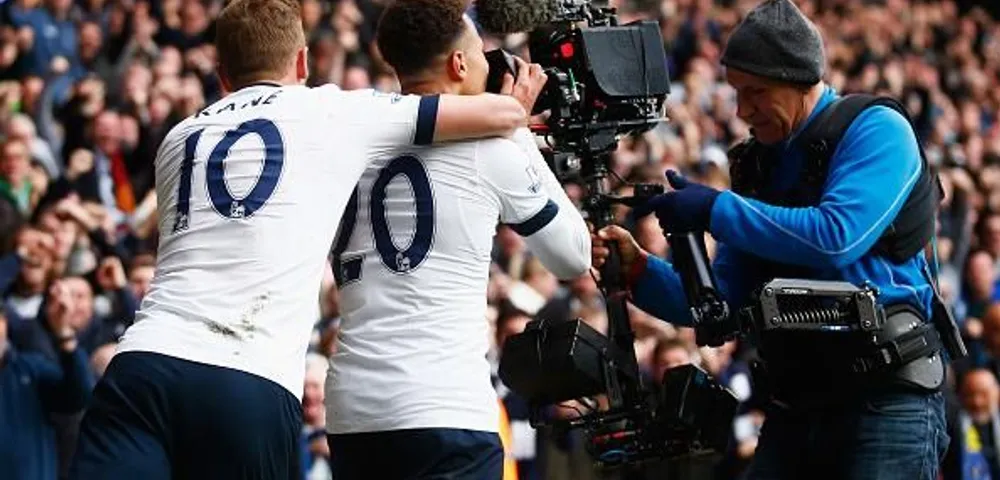
Advice for fans on how to report illegal broadcasting of Premier League matches in commercial premises.
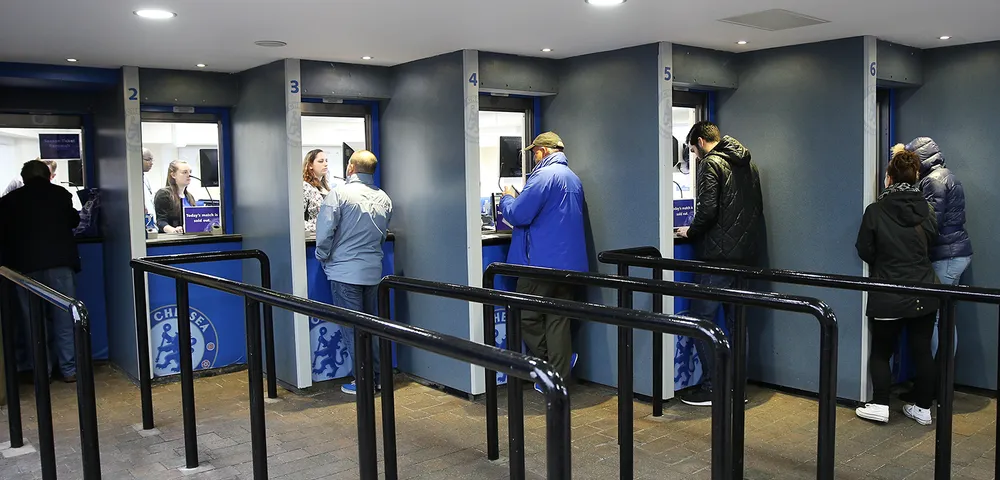
Read our safe ticket buying guide if you're looking to buy Premier League match tickets